Unusual noises
Grinding, rattling, buzzing, or clicking can point to fan motor issues, loose panels, failing components, or restricted airflow.

Inconsistent temperatures
If your home feels too cold in winter or too warm in summer, your heat pump may be struggling with sizing, airflow, or refrigerant issues.

Rising energy bills
A sudden jump in operating costs often means the system is working harder than it should due to wear, poor airflow, or declining efficiency.

Frequent cycling
Short cycling can signal thermostat issues, oversized equipment, airflow restrictions, or controls that are no longer operating correctly.

Ice buildup
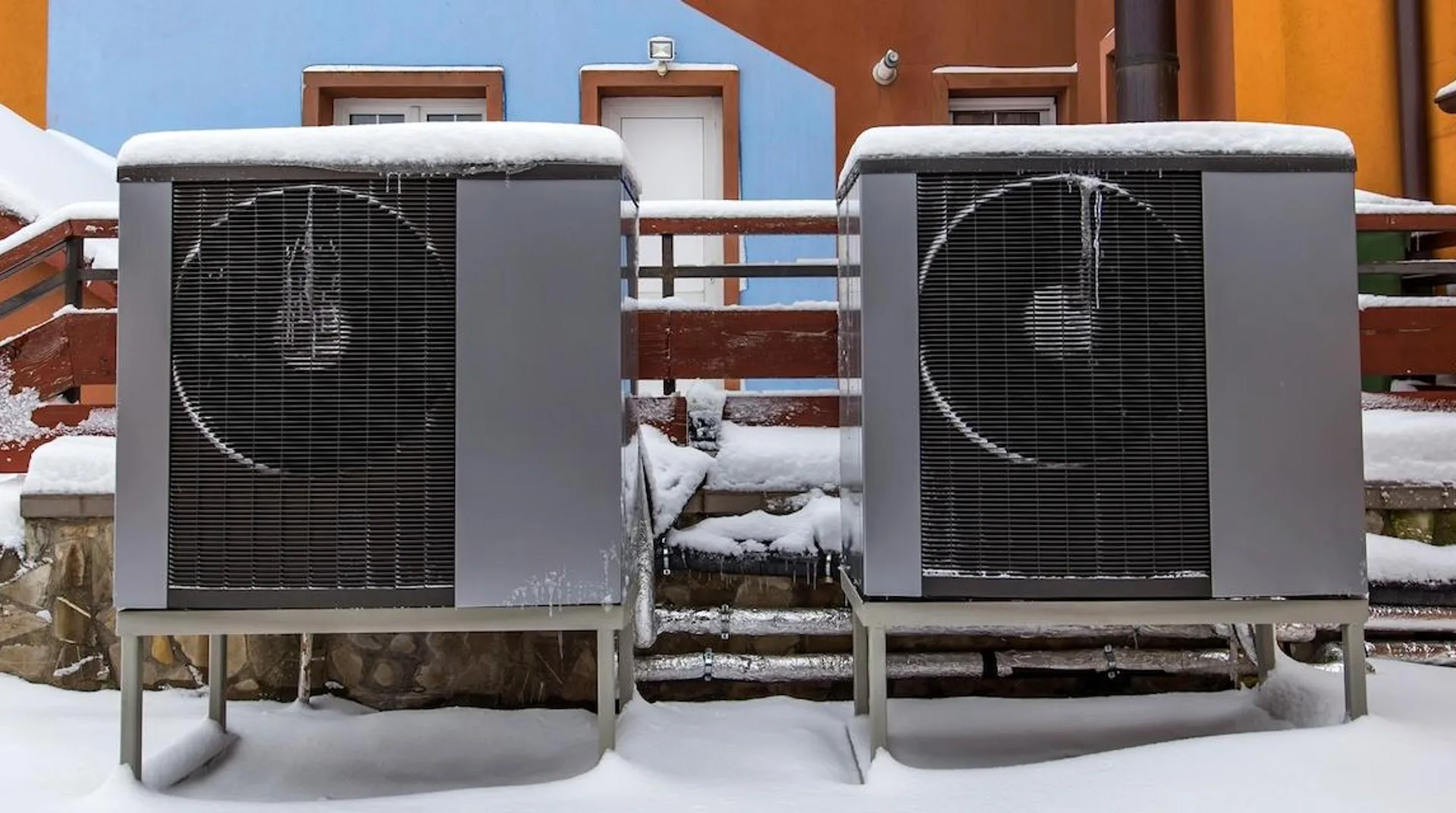
Ice on the outdoor unit or refrigerant lines can indicate defrost problems, airflow issues, or low refrigerant levels that need prompt inspection.
Weak airflow
Reduced airflow from indoor heads or supply vents often points to dirty filters, blower problems, or restrictions in the system.

Reduced cooling performance
If the system cools poorly in summer or takes longer than usual to hit the thermostat setting, it may need servicing or recalibration.
Frequent repair calls
Repeated repair visits usually indicate a system nearing replacement age or one that is no longer operating efficiently enough to justify more repairs.

Unusual odours
Persistent musty, electrical, or burning smells can indicate dirty coils, wiring problems, or moisture-related issues inside the system.

Refrigerant leaks
Low refrigerant can reduce both heating and cooling performance and may show up as poor comfort, icing, or unusual hissing sounds.
Control or remote issues
If the thermostat, remote, or smart controls are not responding correctly, the problem may be in the control board, sensor, or communication wiring.
System age over 10 years
Older units often lose efficiency, require more frequent repairs, and may no longer perform well enough during peak heating or cooling demand.