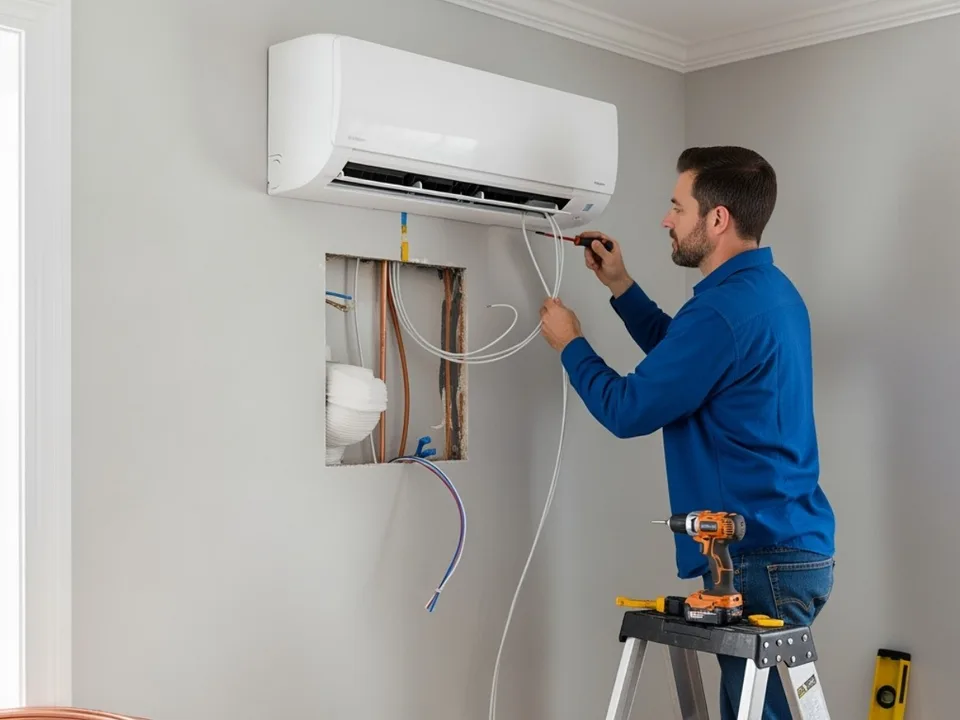
Unusual noises
Buzzing, rattling, clicking, or unusual vibration can indicate loose parts, fan problems, or internal mini split components that need inspection.

Inconsistent zone cooling
If one room stays warm while another cools properly, the mini split may need balancing, servicing, or a closer review of layout and controls.

Rising energy bills
A sudden jump in summer electricity costs often means the system is losing efficiency, struggling with airflow, or running longer than it should.

Frequent cycling
Short cycling can signal sensor issues, airflow restrictions, refrigerant problems, or a mini split that is not operating correctly for the zone size.

Weak airflow from indoor heads
Weak airflow from the indoor unit often points to dirty filters, blower problems, or buildup that reduces ductless cooling performance.
Warm air from the unit
If the mini split runs but delivers warm or barely cool air, the problem may be refrigerant loss, sensor issues, or a control fault.

Ice buildup
Ice on the indoor head, coil, or line set can indicate airflow restrictions, low refrigerant, or a system that needs immediate inspection.
Frequent repair calls
Repeated repair visits usually indicate a system nearing replacement age or one that is no longer cost-effective to keep patching up.

Water leaks from the indoor unit
Moisture or dripping from the indoor head can indicate drain blockages, condensate issues, or freezing that can lead to damage if ignored.

Remote or control issues
If the handheld remote, wall control, or smart interface is not responding correctly, the issue may be in the controls, communication wiring, or sensors.
High indoor humidity
If the room still feels damp or sticky while the system runs, the mini split may not be removing moisture effectively because of sizing or maintenance issues.
System age over 10 years
Older ductless systems often lose efficiency, need more frequent repairs, and may be better replacement candidates than continued repair projects.